wildlife

Taman Negara

Breakfast with hornbills

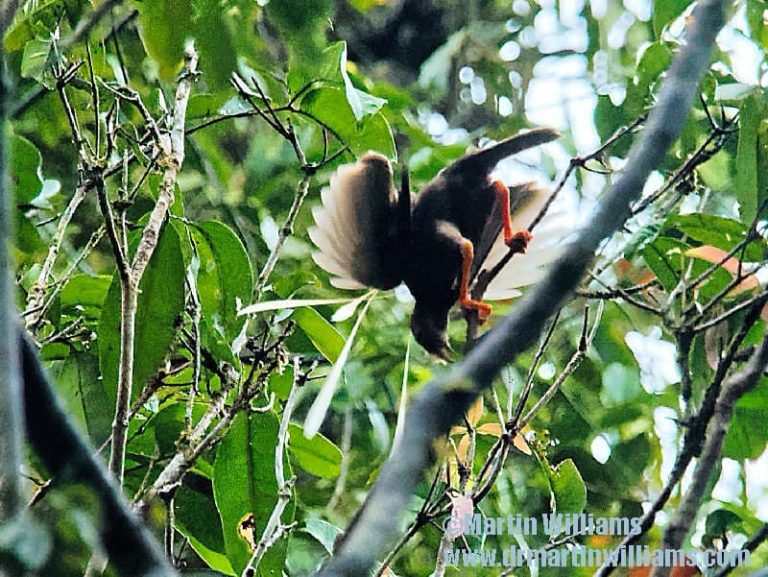
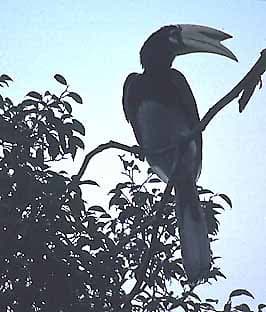
Early morning at Taman Negara Resort. I stand with a group of birdwatchers gathered by a cluster of chalets, and peer into a tree. Unperturbed by the resort staff and other early risers strolling below, various birds have arrived to snack on fruit. There are green pigeons, fairy bluebirds with iridescent blue backs, irrepressable bulbuls. And pied hornbills, which attract most attention.

Four of these large, improbable birds descend on the tree. They hop and bound along branches, then sidle up to clusters of fruit, move their bills in nearer as if to whisper to the tree, grab a fruit, toss it down their throats, then vault to another part of the tree.

Once most of the resort is up and about, the hornbills fly out from the tree. As if to ensure that late-risers also enjoy the show, they head for trees beside the restaurant, to cavort and trumpet in front of the breakfast crowd.

HKWildStars

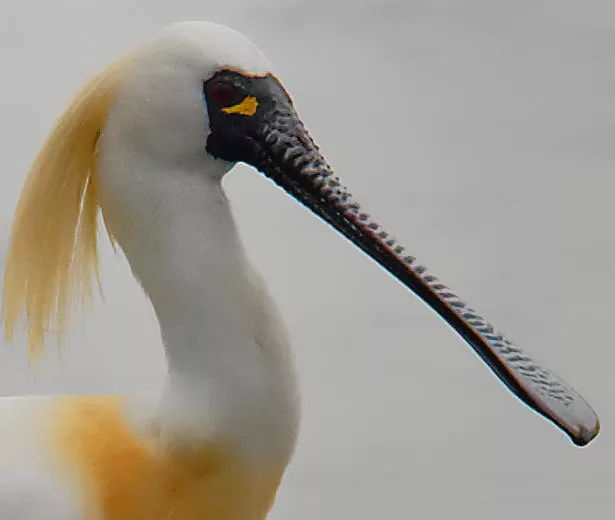
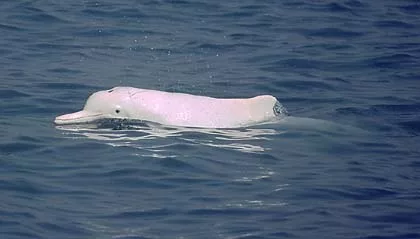
Hong Kong's rare dolphin, spoonbill, tree frog, and a dragonfly

There are some parts of the world whose names evoke images of both wildness and teeming cities. Florida, say, conjures visions of swamps with lurking alligators, and the oceanfront and bustling downtown stretches of Miami.
          Hong Kong, by contrast, is typically seen as a metropolis and little else: it’s the place where east meets west, where neon signs overhang crowded streets, and junks drift through a harbour surrounded by concrete jungle. This typecasting is unfortunate, as there is far more to Hong Kong than city – indeed, 40 percent of the land area is designated as country park, and the SAR supports a rich diversity of wildlife, including roughly the same number of reptile and amphibian species as Florida.
          To a fair extent, Hongkongers have themselves to blame for the stereotyping. They’ve been content to market clichés – east meeting west, the sailing junks that are all but extinct in reality. And until very recently, few could have even hazarded a guess at the names of any of the world rarities and unique species found on their own doorsteps. Happily, this situation is changing, with moves underway to promote green Hong Kong, and a growing awareness among local people of the importance of Hong Kong’s wildlife.
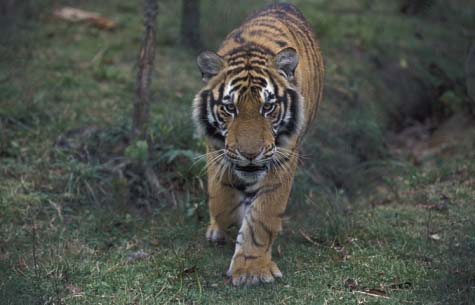
          There are even a few stars emerging among local species. Only a few are large enough to be noticed by novices – Hong Kong long ago lost the elephants, tigers, crocodiles and others that once inhabited much of south China – but all are interesting, and deserve to be more widely known. Here is a selection of four of these wild stars.

Syndicate content